
How a Washington teacher is providing quality support for students during testing season
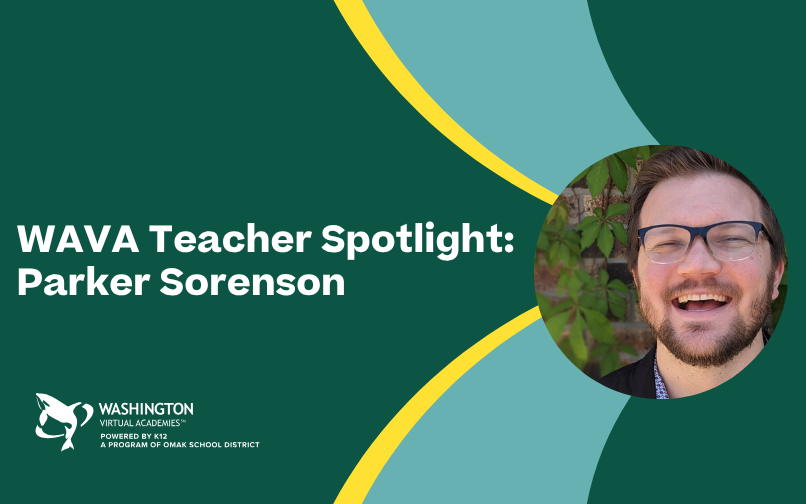
In a state where testing often means long drives, unfamiliar classrooms, and high-pressure environments, one educator is working to change that experience for Washington students. Assessment Coordinator at Washington Virtual Academies (WAVA), Parker Sorenson is approaching student testing from a different perspective, one rooted in science, data, and a deep understanding of how students learn. By prioritizing clear expectations, thoughtful planning, and well-supported testing environments, his approach helps create a more structured and reassuring experience for students from the moment they begin preparing.
After nearly a year in his role, Mr. Sorenson is helping reshape how assessments are delivered, with a focus on reducing stress, improving access, and ensuring that test results truly reflect what students know. His work also reinforces consistency between what students are learning throughout the year and how they are assessed, helping ensure instruction and evaluation are aligned in a meaningful way with quality outcomes.
A Background Built on Understanding How People Learn
Before joining WAVA, Mr. Sorenson earned a PhD in Cognitive Psychology, specializing in how people learn, retain, and recall information. His academic work, paired with experience as a freelance UX researcher, gave him a unique lens into human behavior. Whether analyzing how users navigate websites or teaching college courses during his doctoral program, one theme remained consistent: simplify the experience so people can perform at their best. That same philosophy now guides his work in student assessment.
“I’ve always been drawn to understanding how people learn and develop,” Mr. Sorenson shared. “Testing should support that process, not get in the way of it.”
A Day in the Life: Managing the Moving Pieces of State Testing
As WAVA’s Assessment Coordinator, Mr. Sorenson oversees a complex system of statewide testing requirements, including SBA, WIDA, and STAR assessments. One of Mr. Sorenson’s core beliefs is that completing a test isn’t enough. The test must accurately measure what a student actually knows. That means ensuring every detail, from communication to site setup, is designed to minimize confusion and create an environment where students can stay focused and confident.
For many students, especially those in rural or geographically dispersed areas of Washington, testing can involve long travel days, unfamiliar environments, and extended periods of fatigue. For multilingual learners, assessments like World-Class Instructional Design and Assessment (WIDA) can be especially demanding, often requiring multiple sections to be completed in a single day.
Mr. Sorenson has already begun implementing changes to address these challenges. After gathering feedback from teachers and families, he helped restructure WIDA testing schedules by splitting the assessment over two days instead of one. The result was a more manageable experience for students and a better opportunity to demonstrate their skills. These adjustments not only reduce stress but also allow educators to better support students throughout the process, ensuring they remain engaged and able to demonstrate what they have learned.
Innovation in Action: Expanding Access and Modernizing Testing
This year, Mr. Sorenson identified and secured five new testing sites across the state, each selected for improved technology, accessibility, and overall student experience. He also navigated real-world challenges, from limited electrical outlets to overcrowded environments, ensuring that each site better supports both students and staff. Each decision was made with the goal of creating spaces that feel organized, well-prepared, and conducive to student focus, while also equipping staff with the tools and training needed to guide students effectively.
Perhaps the most exciting development is WAVA’s pilot of a remote testing program. The idea is simple but powerful: students often perform best in the same environment where they learn. By allowing students to remain in familiar, well-supported settings, remote testing can help maintain a sense of consistency that supports both comfort and concentration.
Why Data Matters
While Mr. Sorenson is focused on improving the student’s experience, he is equally committed to maintaining strong, reliable data. Assessment results play a critical role in shaping instruction, identifying students who need additional support, and informing decisions at both the school and state levels. When testing environments are thoughtfully designed and well-supported, the data collected is more likely to reflect true student understanding, giving educators clearer insight into how to guide instruction moving forward.
Looking Ahead to A More Equitable Future for Student Assessment
As conversations around education continue to evolve, Mr. Sorenson believes now is the time to rethink how assessments are delivered, especially for virtual students. His work at WAVA highlights a broader shift toward more student-centered, flexible approaches that prioritize both outcomes and experience. With the right systems in place, testing can become a tool that supports growth, rather than a barrier to it.
Back to BlogRelated Blog Posts
Get Involved in Your Online School Community
If you are looking for ways to get involved at WAVA, we have clubs, activities, outings, […]
A Day in the life of a WAVA Elementary Student!
A typical day for a WAVA Elementary student likely looks a little different for everyone, but […]

Congratulations to the WAVA Winners of the 2024 K12...
The 2024 K12 Photography Competition boasted more than 12,000 entries from talented students nationwide. Among those […]